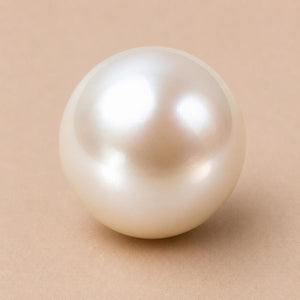


Pearls have always been among the most elegant and timeless gemstones in the world. Unlike other gemstones that are mined from the earth, a Pearl is created naturally inside a living mollusc. Its soft glow, calming beauty, and deep cultural significance have made it one of the most loved gemstones for centuries.
From royal jewellery collections to astrological remedies, Pearl stone continues to hold a special place in people’s hearts. But today’s market is filled with fake Pearls, treated Pearls, and low-quality imitations, making it difficult for buyers to identify an original Moti stone.
If you are planning to buy a Pearl for jewellery, astrology, or investment purposes, understanding the difference between natural, cultured, and fake Pearls is extremely important. This guide by ratanology will help you understand everything in a simple and clear way.
Why Pearl Authenticity Matters
A real Pearl is valuable because of the way it is naturally formed. Every genuine Pearl carries a unique glow known as lustre, which cannot truly be copied by artificial materials.
When you purchase an original Moti stone, you are not just buying jewellery. You are investing in a naturally created gemstone that carries beauty, rarity, and in many cases, astrological significance.
Fake Pearls may look attractive from a distance, but they usually lack:
· Natural lustre
· Durability
· Inner glow
· Long-term value
· Astrological importance
That is why identifying an authentic Pearl becomes extremely important before making a purchase.
Importance of Pearl in Jewellery and Astrology
Pearls have remained popular for generations because of their soft and elegant appearance. They are widely used in:
· Necklaces
· Earrings
· Rings
· Bracelets
· Bridal jewellery
Their classic beauty suits both modern and traditional styles.
In Vedic astrology, Pearl stone is associated with the Moon. It is believed to bring:
· Emotional balance
· Mental peace
· Calmness
· Better relationships
· Positive energy
Many astrologers recommend natural Moti stone for people seeking emotional stability and inner peace. Because of this, buyers often prefer genuine and untreated Pearls for astrological use.
What is a Natural Pearl?
A natural Pearl is formed completely on its own inside a mollusc without any human involvement.
This process begins when a tiny irritant accidentally enters the mollusc. To protect itself, the mollusc starts covering the irritant with layers of nacre. Over time, these layers build up slowly and eventually form a Pearl.
Natural Pearls are extremely rare because this process happens purely by chance in nature. Most natural Pearls available today are antique or collector-grade gemstones.
Because they are so rare, natural Pearls are usually expensive and highly valuable.
What is a Cultured Pearl?
A cultured Pearl is also a real Pearl, but it is created with human assistance.
In this process, Pearl farmers carefully place a small irritant or nucleus inside the mollusc. The mollusc then naturally produces nacre around it, just like it would in nature.
The only difference between natural and cultured Pearls is how the process starts.
Cultured Pearls are genuine gemstones because they are still formed inside living molluscs using natural nacre. They are not fake or artificial.
How Cultured Pearls are Farmed
Pearl farming requires patience, skill, and proper environmental conditions.
After inserting the nucleus, the mollusc is placed back into water where it slowly forms the Pearl over several months or years. Farmers carefully maintain water quality and monitor the molluscs throughout the process.
Different types of cultured Pearls take different amounts of time to grow:
· Akoya Pearls generally take around 2 years
· South Sea Pearls may take even longer
This controlled process allows cultured Pearls to have better shape, size, and surface quality compared to most natural Pearls.
Difference Between Natural and Cultured Pearls
Although both are real Pearls, there are some important differences between them.
Origin
Natural Pearls are formed accidentally in nature without human help.
Cultured Pearls are created through controlled farming methods with human intervention.
Shape and Surface
Natural Pearls are usually more irregular in shape and may contain minor imperfections.
Cultured Pearls are generally rounder and more uniform because the nucleus helps guide the shape during formation.
Lustre
Both natural and cultured Pearls can have beautiful lustre.
However, high-quality Pearls will always show a soft inner glow rather than a sharp artificial shine.
Price
Natural Pearls are extremely rare and therefore very expensive.
Cultured Pearls are more affordable and commonly available in the jewellery market.
How to Identify a Real Pearl Stone
There are several ways to identify whether a Pearl is real or fake.
Tooth Test
This is one of the oldest and simplest methods.
Gently rub the Pearl against your front teeth.
· A real Pearl feels slightly gritty or sandy
· A fake Pearl feels completely smooth
This texture comes from the microscopic layers of nacre present in genuine Pearls.
Magnifying Glass Test
Examine the Pearl closely using a magnifying glass or jewellery loupe.
A real Pearl usually shows:
· Tiny surface irregularities
· Minor ridges
· Small blemishes
Fake Pearls often appear perfectly smooth and overly polished.
Check the Drill Hole
Look carefully around the drill hole of the Pearl.
In genuine Pearls, you may notice layered nacre around the hole.
In fake Pearls, the coating around the hole may appear chipped, flaky, or artificial.
Weight and Temperature Test
Real Pearls usually feel slightly heavier than fake plastic Pearls.
They also feel cool when first touched and slowly adjust to body temperature.
Plastic imitations generally feel light and remain at room temperature.
X-Ray and Lab Certification
For complete authenticity confirmation, laboratory testing is the best option.
An X-ray test helps experts identify the internal structure of the Pearl:
· Natural Pearls show layered internal structures
· Cultured Pearls usually show a visible nucleus inside
Always ask for a gemstone authenticity certificate before purchasing a valuable Pearl stone.
Signs of Fake Pearls
The market today contains many imitation Pearls. Here are some common signs of fake Moti stones:
Perfect Uniformity
If every Pearl looks perfectly identical in shape, size, and surface quality, it may be artificial.
Natural gemstones usually show slight variations.
Overly Shiny Appearance
Fake Pearls often have a sharp glass-like shine.
Real Pearls display a soft and deep glow from within.
Extremely Smooth Surface
A completely flawless surface can be a warning sign of imitation Pearls.
Real Pearls generally contain tiny natural imperfections.
Choosing the Right Pearl for Astrology
If you are purchasing a Pearl for astrological benefits, authenticity becomes even more important.
A genuine and untreated Moti stone is generally preferred for astrology.
Before purchasing:
· Consult an experienced astrologer
· Buy from a trusted gemstone seller
· Ask for certification
· Check the lustre and quality carefully
A high-quality Pearl should appear calm, soft, and naturally radiant.
Frequently Asked Questions
Do real Pearls turn yellow?
Yes, genuine Pearls can become slightly yellow over time if exposed to chemicals, cosmetics, pollution, or improper storage. Regular cleaning and proper care help maintain their beauty.
How long do natural Pearls last?
With proper care, natural Pearls can last for generations. They should be protected from harsh chemicals, extreme heat, and scratches.
Do black Pearls exist naturally?
Yes, black Pearls do exist naturally. Tahitian Pearls are among the most famous black Pearls available in the market.
Can real Pearls scratch?
Yes, Pearls are relatively soft gemstones and can scratch easily if not handled carefully. It is always best to store them separately from harder jewellery pieces.
Final Thoughts
Pearls are among the most graceful and meaningful gemstones in the world. Whether you are buying them for jewellery, investment, or astrology, understanding the difference between natural, cultured, and fake Pearls helps you make a better decision.
A genuine Pearl is known for its soft glow, natural beauty, and timeless elegance. By learning a few simple identification methods and purchasing from trusted sources, you can confidently choose the right Moti stone for yourself.
At ratanology, we believe in educating customers with genuine gemstone knowledge so that every purchase becomes meaningful, authentic, and valuable