

How to Identify Original Gomed (Hessonite): The 2026 Expert Guide
Finding an original Gomed stone (Hessonite) in today’s market is a challenge. With many synthetic imitations circulating, knowing how to spot a real gemstone is essential for both jewelry lovers and those seeking the astrological benefits of Rahu. At Ratanology, we specialize in authentic, high-quality gemstones. This guide will walk you through the professional and home-based methods to identify a genuine Hessonite.
What is Gomed? The Stone of Rahu
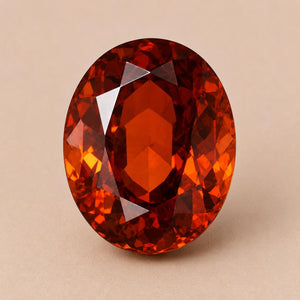
Gomed is the Vedic name for Hessonite Garnet. In astrology, it is the primary stone for the shadow planet Rahu. A high-quality, natural Gomed is believed to clear mental fog, boost confidence, and bring sudden professional success. However, these benefits are only realized if the stone is 100% natural and untreated.
5 Scientific Ways to Identify Original Gomed Stone
1. The "Honey and Cinnamon" Color Test
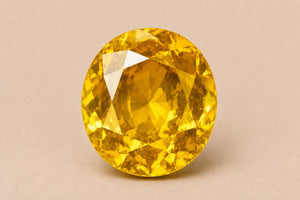
- What to look for: A genuine stone should have a consistent, warm hue (honey yellow to cinnamon brown) that glows when held against the light.
- The Fake Signal: If the stone looks like black glass or has "color zoning" (clear patches or uneven streaks), it is likely a fake.
2. The "Heatwave" Inclusion (The Syrup Effect)
Natural Hessonites have a very specific internal structure. Under a 10x jeweler’s loupe, look for:
- Wavy Patterns: Genuine Gomed often shows a "swirling" or "liquid" look inside, known as the heatwave effect.
- Irregular Inclusions: Look for small, irregular mineral crystals.
- The Fake Signal: Perfectly round air bubbles are a sign of glass imitations.
3. Specific Gravity and Weight
- The Density Test: Hessonite is a dense gemstone. A real Gomed will feel significantly heavier than a glass imitation of the same size.
- Technical Spec: A natural stone has a specific gravity of 3.65 to 3.75.
4. Hardness on the Mohs Scale
- Durability: Gomed belongs to the Garnet family and has a hardness of 6.5 to 7.0.
- The Test: It is harder than common glass. A real Gomed can scratch a glass surface, whereas soft plastic or resin fakes cannot.
5. Transparency and Luster
- Visual Clarity: A natural Gomed has a vitreous (glass-like) luster. It should be transparent to translucent.
- The Red Flag: If the stone looks "milky" or completely opaque, it is likely low quality or a different mineral.
Siloni Gomed vs. African Gomed
Feature Sri Lankan (Siloni) Gomed African Gomed
Clarity High (Fewer visible inclusions) Lower (More internal marks)
Color Bright, honey-gold Darker, reddish-brown
Astrological Value Highest Moderate
How to Check Gomed Stone Originality Online
- Demand 360-degree Videos: High-resolution videos allow you to see internal "heatwave" patterns clearly.
- Verify the Brand: Only buy from specialized traders like Ratanology.
Lab Certification: Ensure the stone comes with a report from a reputable lab (like GIA, IGI, or IDT).
Authenticity is Your Best Investment
Explore the curated collection of certified, high-clarity Hessonites at Ratanology today.